How do bottle sizes and pack formats change a water bottling plant?
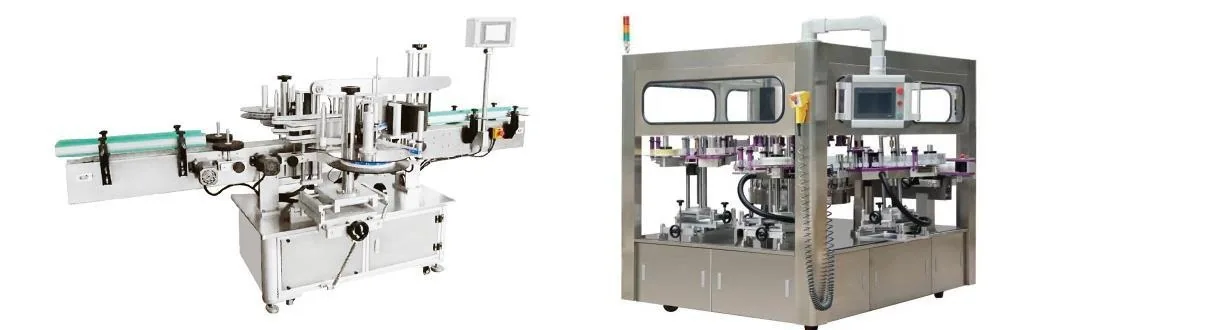
Bottle geometry, neck finish, cap, label, finished pack and format mix affect blowing, filling, transfers, change parts, line balance, storage, utilities and acceptance tests. Freeze controlled package data before equipment selection.
Define bottle and packaging inputs →
How much factory space does a water bottling plant need?
There is no reliable universal area. Build the layout from the selected systems, verified building dimensions, storage policy, people and material routes, hygiene zones, utility rooms, maintenance access and future interfaces.
Develop the plant layout →
Which utilities must be confirmed before a bottling line is ordered?
Confirm power, process and service water, compressed air, cooling, ventilation and drainage at each point of use, including quality, operating condition, peak demand, connection location and the owner of local distribution.
Define utility requirements →
Which raw-water tests are needed before treatment equipment is selected?
Use a traceable and representative laboratory report tied to the source, sampling point, date, units and expected seasonal variation. Qualified review should connect the actual results and finished-water objective to treatment decisions.
Prepare the raw-water analysis basis →
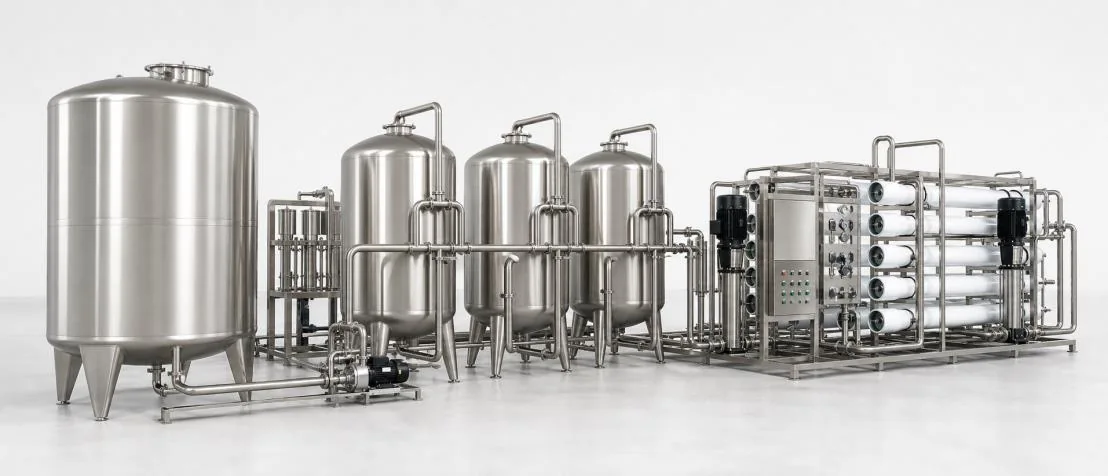
Does every bottled-water plant need reverse osmosis?
No. Treatment should follow the source-water evidence, finished-water specification, product identity, local requirements, variability and operating constraints. Compare justified treatment routes before selecting a membrane process.
Choose the treatment route →
Should the plant blow PET bottles in-house or buy empty bottles?
Compare bottle demand, transport and storage exposure, supplier continuity, preform and bottle quality control, blowing utilities, specialist maintenance, capital boundary and future formats on the same operating basis.
Compare bottle-supply models →
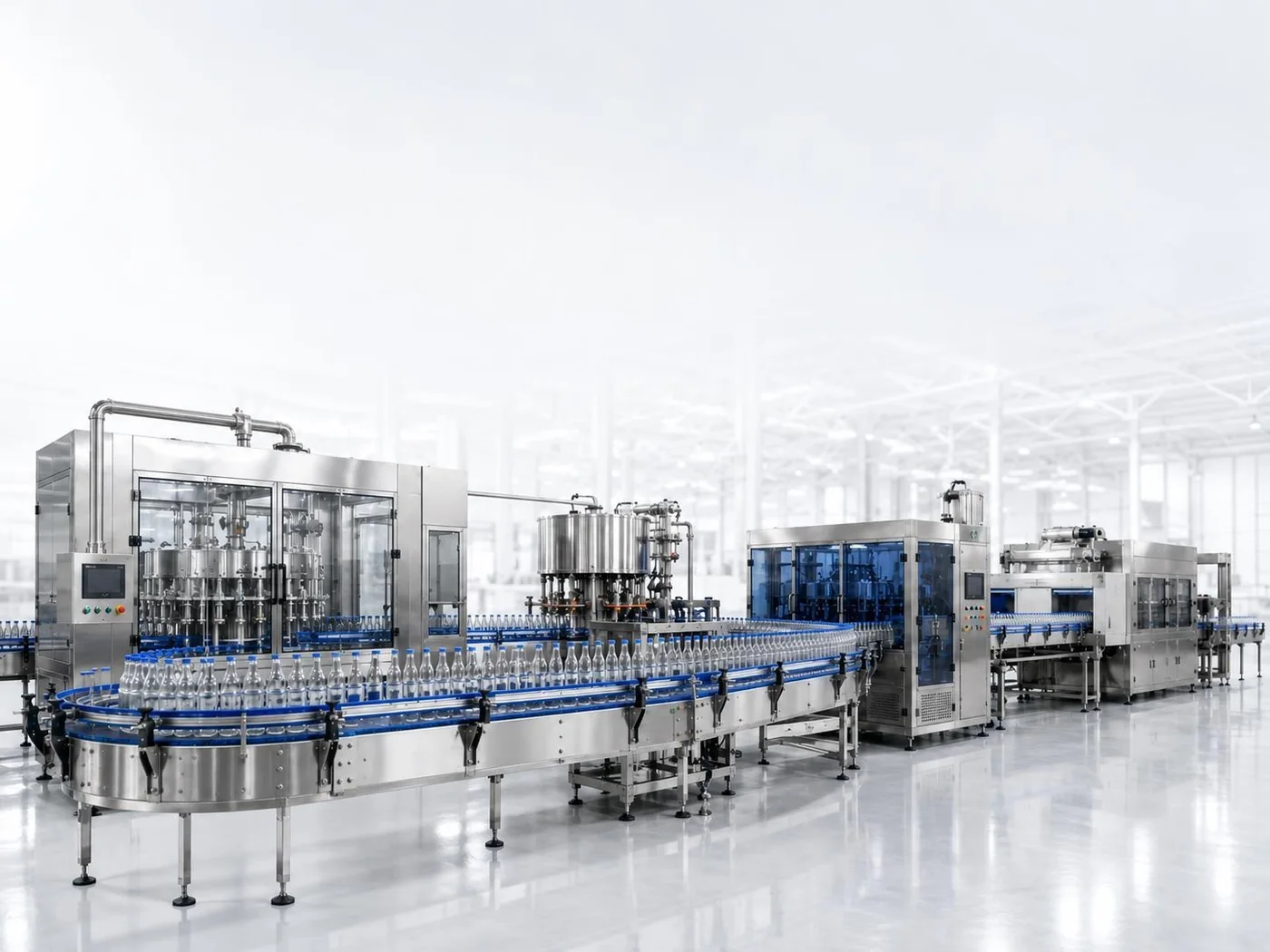
Why can machines with the same rated speed produce different finished-line output?
Machine ratings may use different containers and test conditions. Sustainable output also depends on accumulation, stops, recovery, material supply, inspection, packing, changeovers and the agreed saleable-product boundary.
Balance the complete bottling line →
What is the difference between FAT and SAT for a water bottling plant?
FAT checks agreed functions and available evidence before shipment under defined factory conditions. SAT checks the installed system at the buyer site with the approved utilities, materials, interfaces and site-specific acceptance basis.
Separate factory and site acceptance →
What is the difference between installation and commissioning?
Installation places, assembles and connects the equipment against approved drawings. Commissioning starts after the relevant completion and safety gates, then verifies functions, controls, product paths, formats and integrated operation.
Plan installation before commissioning →
What should a turnkey water bottling plant RFQ include?
Give every bidder the same controlled water, product, package, output, site, utility, destination, scope, service, evidence and responsibility basis. Require written inclusions, options, exclusions, assumptions and open inputs.
Prepare a comparable RFQ →
How long does a turnkey water bottling plant project take?
A reliable schedule follows project-specific dependencies such as input freeze, approvals, manufacture, FAT, logistics, import, site readiness, installation, commissioning and handover. A generic duration cannot replace a controlled milestone plan.
Build the project schedule →
Which spare parts should be prepared before startup?
Classify startup, wear, critical and insurance spares from the actual equipment list, failure consequence, replenishment route, local capability and maintenance plan. Link every item to a controlled machine or component reference.
Plan project-specific spare parts →
How do destination country and climate affect the plant design?
Local voltage and frequency, ambient temperature and humidity, altitude, water variability, import route, building practice, drainage, labor, product rules and qualified local approvals can change the project boundary and evidence required.
Check country and climate conditions →
Which inputs are needed for a useful turnkey water bottling plant quotation?
Share the source-water status, finished-water objective, bottle and pack formats, saleable-output basis, operating calendar, site and utility evidence, destination, requested scope and known buyer-side work. Unknowns should remain visible.
Build the project brief →
How should two water bottling plant options be compared on total cost of ownership?
Use the same production scenario, evaluation period, operating calendar, material prices, labor basis, utility tariffs, maintenance assumptions, expected losses and residual-value rule. Keep unverified values visible instead of forcing a false winner.
Build a comparable TCO case →
What should a water bottling line production guarantee actually define?
Define the reference bottle and pack, good-product boundary, test duration, approved materials, utility conditions, planned stops, data source, sampling rule, exclusions, acceptance threshold and the remedy process before the guarantee is signed.
Define a testable production guarantee →
How does high-TDS or brackish source water change a bottling plant project?
The source analysis, variability, recovery objective, pretreatment, membrane staging, scaling risk, cleaning plan, concentrate route, product objective and local discharge boundary must be assessed together. A generic RO package is not a design basis.
Plan the high-TDS treatment basis →
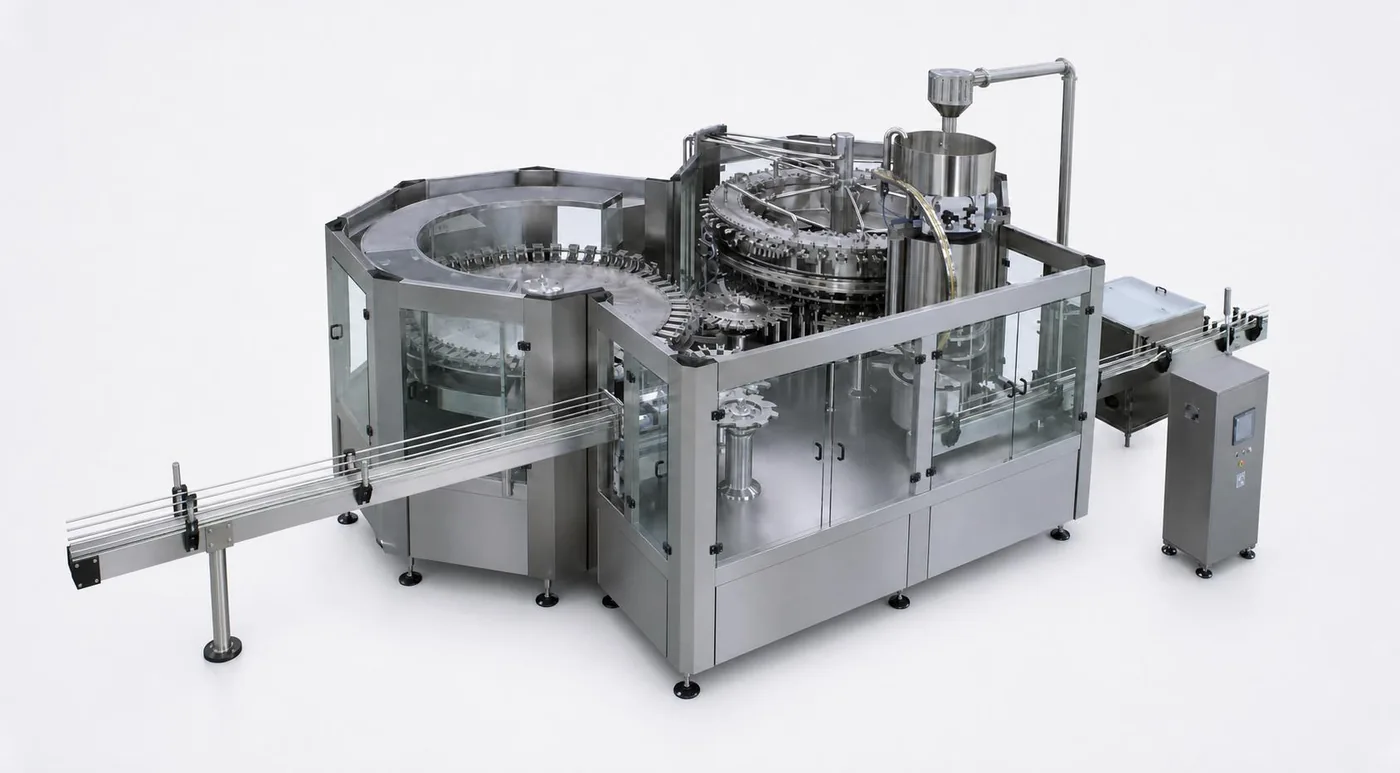
Is a three-in-one monoblock better than separate rinsing, filling and capping machines?
Compare the actual containers, hygiene boundary, transfer exposure, format range, access, changeover, maintenance capability, controls, footprint and acceptance plan. The more integrated architecture is not automatically the better project fit.
Compare monoblock and separate machines →
How can a buyer verify local service capability before ordering imported equipment?
Verify named roles, location, response route, competence evidence, remote-access boundary, local stock, escalation ownership, language coverage and recent project-relevant availability. A generic claim of worldwide service is not enough.
Verify the local service route →
Which documents should be checked before water bottling equipment is imported?
Build a destination-specific register for the commercial invoice, packing list, transport documents, origin evidence, equipment descriptions, codes, manuals, electrical data, conformity records and any authority-specific submissions. Confirm responsibility and timing with qualified local parties.
Prepare the import document register →